Introduction
Dental case acceptance is one of the most critical yet misunderstood metrics in modern dentistry.
You can have the best clinical skills, the most advanced treatments, and a steady flow of patients — but if those patients don't accept your treatment plans, your growth will always be limited.
Today, improving dental case acceptance is no longer just about communication. It's about psychology, technology, patient experience, and how effectively you can help patients visualize outcomes using a modern AI dental software.
In this guide, we break down:
- What dental case acceptance really means
- Why patients say no
- Proven strategies to increase acceptance rates
- The role of modern tools and AI in transforming consultations

What Is Dental Case Acceptance?
Dental case acceptance refers to the percentage of proposed treatment plans that patients agree to proceed with.
Case Acceptance Rate = Accepted Treatments / Proposed Treatments
A strong practice typically sees:
- 60–70% for general dentistry
- 30–50% for high-ticket cosmetic treatments
Anything below that usually indicates friction in:
- Communication
- Trust
- Perceived value
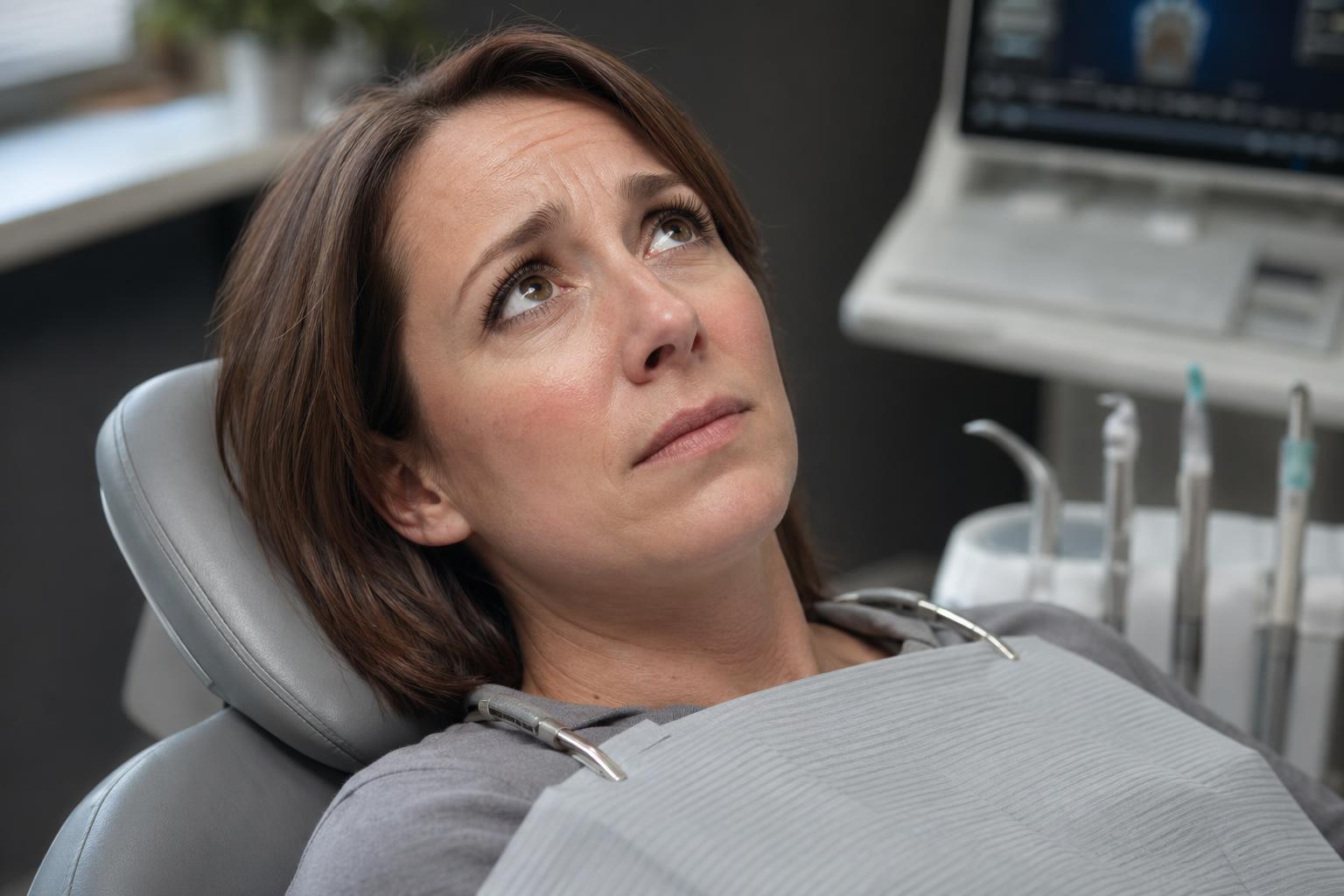
Why Patients Don't Accept Treatment
Lack of Understanding
Patients don't fully understand the issue or urgency. When clarity is missing, the default answer is always “let me think about it.”
Inability to Visualize Results
Patients struggle to imagine the final result. Without visualization, the treatment feels abstract — and abstract things are easy to delay.
Price Perception
It's about perceived value, not just cost. Patients don't reject prices — they reject prices that feel disconnected from a clear outcome.
Lack of Trust
Consultations that feel rushed or transactional reduce acceptance, even when the clinical recommendation is excellent.
Decision Fatigue
Too many options lead to inaction. The brain's default response to complexity is to postpone.
The New Reality: Dentistry Is Also a Conversion Process
Top-performing practices understand that clinical excellence alone is not enough.
Case acceptance is a structured process combining:
- Communication
- Psychology
- Experience design
“Patients don't say no to treatment. They say no to uncertainty.”
10 Proven Strategies to Improve Dental Case Acceptance
1. Simplify Communication
Use simple, patient-friendly language. Replace clinical jargon with words your patient hears every day.
2. Show, Don't Tell
Use visuals instead of long explanations. A single image converts better than five minutes of talking.
3. Use Structured Consultations
Follow a repeatable, proven flow so every patient gets the same high-quality experience.
4. Create Emotional Triggers
Focus on outcomes and feelings, not procedures. People buy transformation, not treatment.
5. Build Value Before Price
Never lead with pricing. Establish the value of the result first, then introduce the investment.
6. Offer Clear Options
Limit choices to 2–3 clear paths. Too many options create decision fatigue and inaction.
7. Improve Consultation Experience
Environment, comfort, and presentation matter as much as clinical expertise.
8. Train Your Team
Every team member impacts conversion — from the front desk to the dental assistant.
9. Implement Follow-Ups
Most patients don't say yes on day one. Structured follow-ups recover lost cases.
10. Use Modern Technology
Visualization tools like AI-powered smile previews dramatically improve acceptance rates.
The Power of Visualization
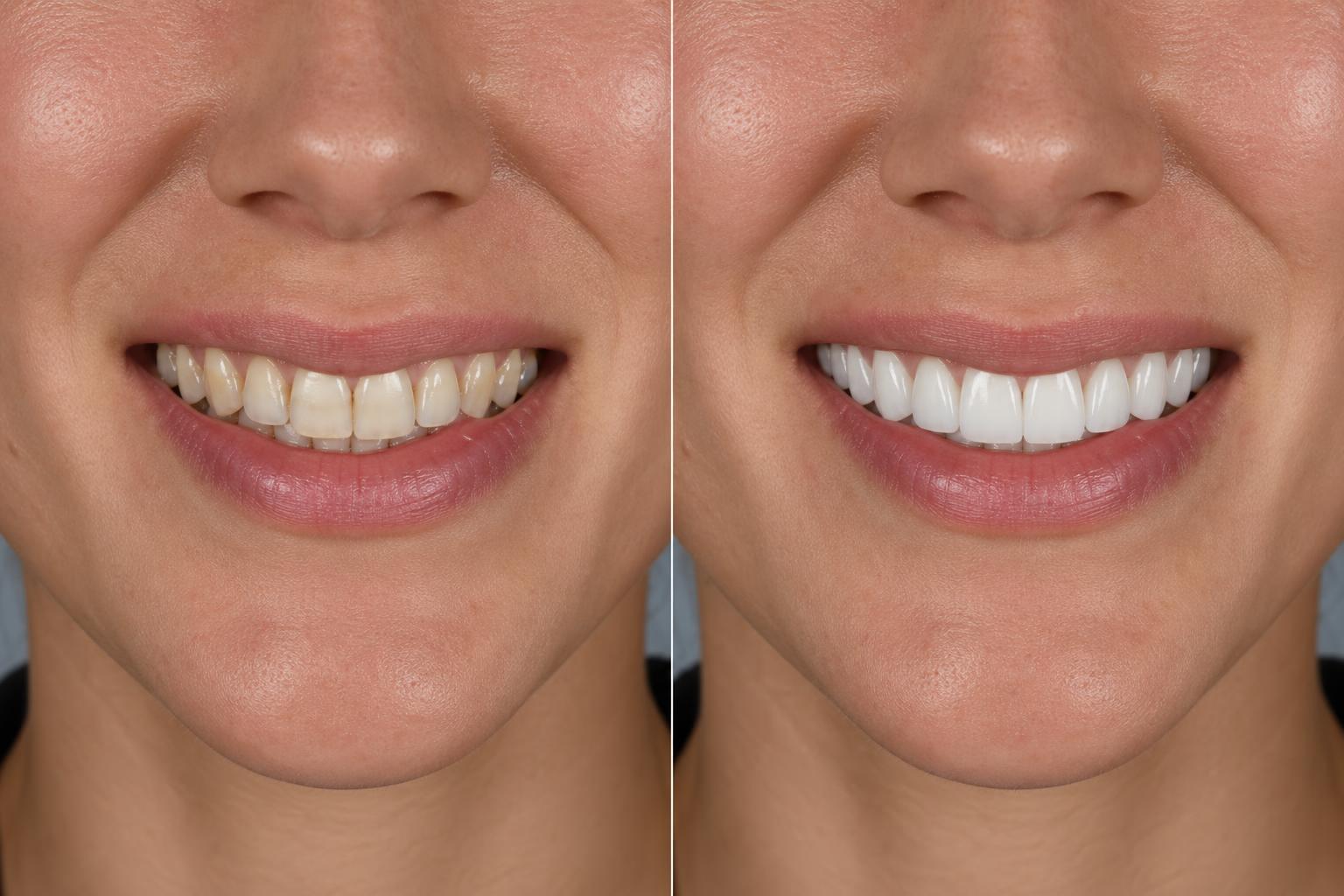
When patients can see their future smile:
- Trust increases
- Hesitation decreases
- Decisions accelerate
Visualization removes the gap between what the dentist sees and what the patient imagines. That gap is where most cases are lost.
See it. Believe it.
Let Your Patients See Their Future Smile
Turn hesitation into confidence with instant before/after simulations powered by DentalVision.
From Explanation to Projection
Dentistry is shifting from explaining treatments to showing results.
This transformation is driven by new technologies that make outcomes visible in the consultation room — before the patient ever has to commit. If you're evaluating options, our review of the best dental case presentation software breaks down what to look for. Industry resources like Digital Smile Design have also pushed the entire profession toward visual-first consultations.
How Tools Like DentalVision Improve Case Acceptance
Modern platforms like DentalVision allow dentists to:
- Generate realistic before/after previews in seconds
- Help patients visualize results instantly
- Increase confidence and treatment acceptance
Instead of asking patients to imagine outcomes, you show them. For a deeper playbook on this topic, see our guide on how to increase dental case acceptance rate.
Common Mistakes to Avoid
- Over-explaining — overwhelming patients with clinical detail
- No visual support — relying only on words
- Weak structure — every consultation feels different
- No follow-up — losing patients who simply needed time
KPIs to Track
- Case acceptance rate
- Average treatment value
- Conversion time
- Follow-up success rate
Ready when you are
Increase Your Case Acceptance Today
Join modern dental practices using visualization to close more treatments.
Conclusion
Improving dental case acceptance is about clarity, trust, and visualization.
Patients don't commit to what they don't understand — and they don't accept what they can't see.
The practices that win in the next decade will be the ones that make outcomes visible, decisions easy, and every consultation feel like a transformation already in motion.
Frequently Asked Questions
What is dental case acceptance?
Dental case acceptance is the percentage of proposed treatment plans that patients agree to proceed with. It is one of the most important growth metrics in modern dentistry.
How can dentists improve treatment acceptance?
Simplify communication, build value before price, structure your consultations, and help patients see the result with visualization tools instead of relying on words alone.
What tools help increase case acceptance?
AI-powered visualization platforms such as Dental Vision generate realistic before/after smile previews so patients can instantly understand the outcome — which dramatically improves acceptance rates.